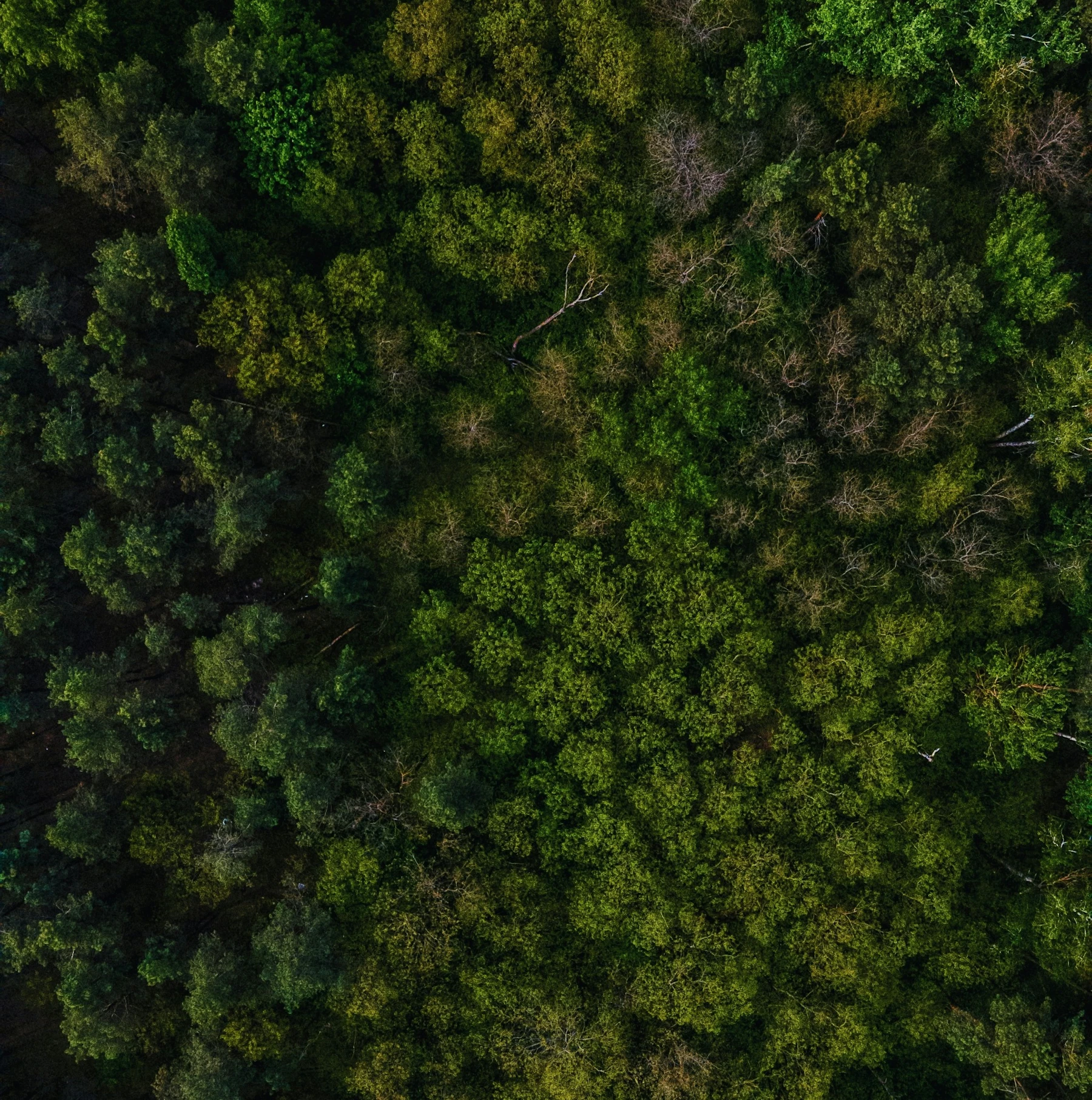
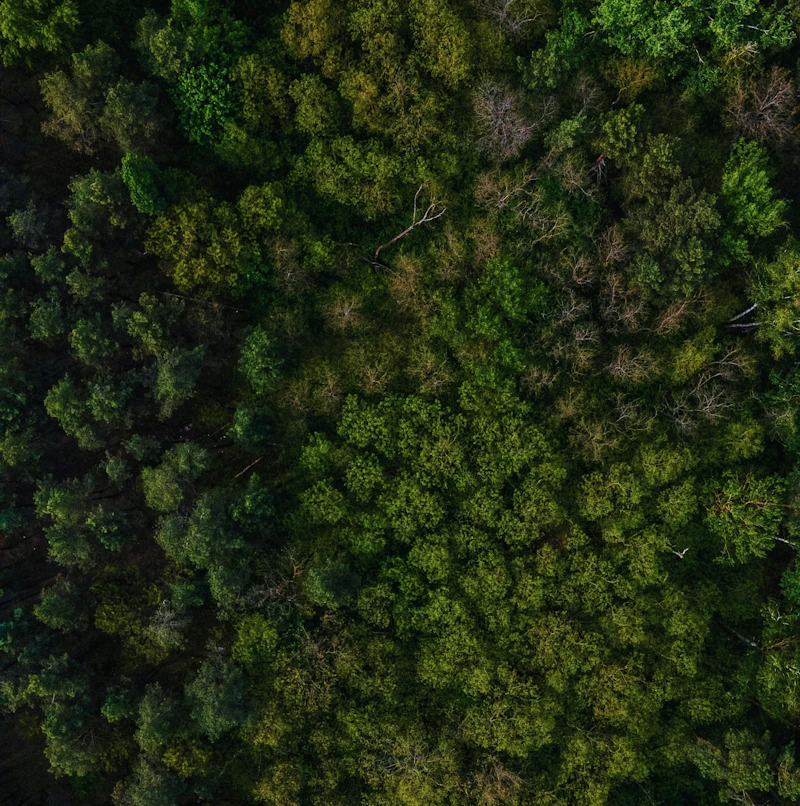
Healthy ecosystems are the foundation of life for our people and planet.
But decades of severe wildfire, invasive species, and unsustainable use have left many landscapes unable to function.


We are repairing and healing the land and waters that sustain us—bringing back vibrant forests, flowing streams, and resilient habitats.
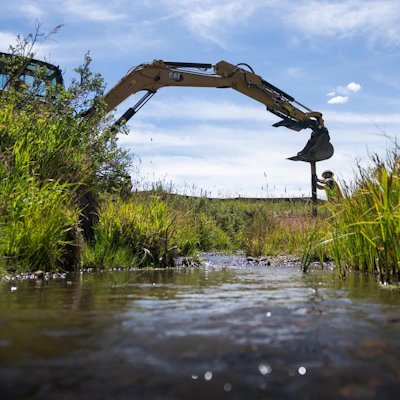
We repair degraded streams, reconnect floodplains, and restore wetland ecosystems on National Forests to ensure they are a reliable source of water.
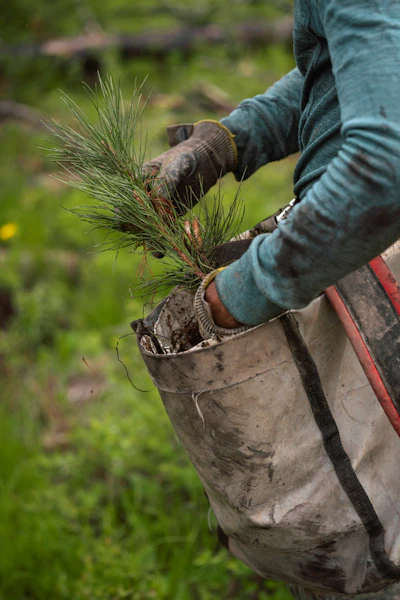
The NFF leads the largest reforestation effort on National Forests, planting millions of native trees annually and supporting seed efforts to sustain long-term reforestation needs.
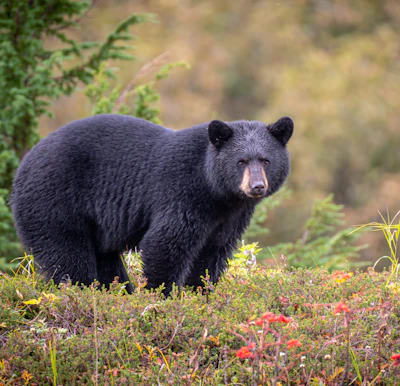
Our projects remove barriers to fish migration, improve pollinator habitat, and create critical corridors for species on the move.
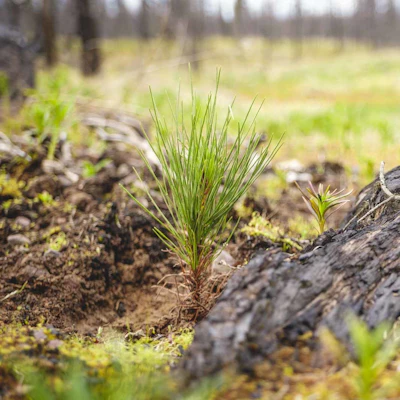
The Rio Guadalupe Headwaters Restoration Project uses low-tech, nature-based methods to restore streams, reconnect floodplains, and improve water storage across the Santa Fe National Forest in northern New Mexico.
Read MoreThe National Forest Foundation restored Indian Creek in Utah’s Bears Ears National Monument using low-tech, nature-based stream restoration to improve habitat, water storage, and watershed resilience.
Read MoreThe Northern Wisconsin Culvert Improvement Project strengthens roads, protects streams, and supports communities by replacing failing culverts across the Chequamegon–Nicolet National Forest.
Read MoreThe Stringtown Wash-Pine Creek LTPBR projects are an ongoing effort on the Prescott National Forest, focused on simple techniques to restore natural processes.
Read MoreA small plant can have an outsized impact. The Garlic Mustard Early Detection and Eradication Project is helping stop one of the nation's most aggressive invasive plants before it can spread across California's forests and waterways. Through early detection, rapid response, and strong partnerships, this work is protecting native ecosystems, wildlife habitat, and healthy watersheds for the future.
Read MoreThe Midewin National Tallgrass Prairie is one of the largest prairie restoration efforts in the Midwest. Its ongoing restoration tells the story of how a former agricultural and military landscape is being reconnected to the ecological processes that once shaped the region’s vast prairie ecosystem.
Read More



Our Forests Need Us Today.
Your donation powers critical, on-the-ground conservation—from wildfire recovery to watershed restoration—protecting forests for the future.